


It seems you have disabled javascript. Please enable javascript for this site to function properly.
This is an archived version of the Odysseus II Contest for the academic year 2015-2015. For the latest Odysseus Contest click here.
Extraterrestrial life doesn’t have to be similar to the one found on earth. How can we look for life, not knowing what are we looking for? In 1964, James Lovelock was asked by NASA to come up with a theoretical life detection system in order to look for life on Mars. Lovelock believed that there was a more pressing question that should be answered firstly; “What is life, and how should it be recognized?” When asked how he would look for life on Mars, he replied; “I’d look for an entropy reduction, since this must be a general characteristic of life.”
Based on the concerns in astrobiology to determine whether or not an unexplored planet is habitable, we have chosen the mission to implement a planetary rover to help us measure and, hence, study certain vital parameters on such a territory. The necessary conditions to sustain life made the main object of our studies and we concluded we should obtain values regarding weather conditions, presence of methane, light and UV radiation. We have also managed to do a spectral analysis using a separate board and, as a further development, we plan to add the board with the attached spectroscope to the rover, alongside the Arduino boards used there.
This entry presents the process of building the rover and several experiments and strategies in which we have involved it, to simulate the specific conditions of the planet that the rover is about to explore, as well as to test the sensors and methods we might use. Furthermore, the data acquired on Earth during the implementation process will be extremely useful at the moment when, after collecting similar sets of data from somewhere else, we will have to make a comparison in order to give the verdict on the habitability status.
The solar wind is a stream of charged particles, which flow from the surface of the Sun towards all directions. The solar wind interacts with the magnetic field of the Earth influencing its shape. It is responsible for the phenomenon of the Aurora observed in the north and south polar areas. Solar wind interferes with human activities in a variety of ways. This paper will examine the solar wind, its effect on the Earth’s magnetic field and its role in the formation of the Aurora. So as to gain a deeper understanding of how the solar wind interacts with the Earth’s magnetic field, we conducted an experiment that depicts how an external magnetic field, in this case solar wind, can distort a pre-existing magnetic field. This paper will focus on the various ways in which the solar wind may affect human life and activities. We will firstly explore the effects of the solar wind on the Earth’s climate and human technology. Subsequently, we will attempt to propose innovative solutions to minimise potential negative effects. The main conclusion we have reached is that an intense solar wind event can have detrimental impacts on human life, as it affects technology, an integral part of our life today. However, there are many ways to make technology less vulnerable to the solar wind.
Cílem našeho projektu je zjistit, jestli je možné využít data z archivních snímků databáze SkyMorph k zpřesňování drah planetek. Snímky byly použity pro detekci blízkozemních planetek, avšak s limitní jasností použité soustavy 21 mag jsme se domnívali, že se na nich budou nalézat také planetky z hlavního pásu či jiné další skupiny asteroidů. Pomocí využití astrometrického měření se nám podařilo zpřesnit orbitální vlastnosti těles 2006 WC155, 2008 AZ71 a možná objevit i novou, dosud neznámou planetku. Z našich zjištění je zřejmé, že databáze obsahuje velkou spoustu dosud nevyužitých dat, která jsou mnohdy velmi cenná pro mnoho planetek. Dále si myslíme, že tyto data by bylo vhodné znovu zpracovat.
We have enjoyed developing our futuristic information pack for humans travelling to settle on Mars, giving them an insight into travelling to and living on the red planet.
We chose this subject because last year we met Bridget, a prototype Mars rover from AirBus and continue to be inspired by the work being done by humans and Curiosity to investigate the possibility to live on Mars in the future.
We developed the brand MissionRed2030 to give the project a corporate feel and created a brochure and a video full of facts, interesting tips and imagination.
The project could be extending to clothing and other branding. While the virtual Museum would require a great deal of work, the gaming app could be something that could be developed here on earth to educate children about the effects of gravity on other planets, through sport, in a fun way.
We hope our MissionRed2030 pack gives an insight into the possibility of human habitation on Mars in the future.
An alternative for a Lunar Colony
There are many obstacles and bio-hazards in the Lunar environment and one of the most crucial is particle radiation. In the form of high-energy hydrogen and helium nuclei, it reaches our Moon's surface rending any attempt for a human base too dangerous and/or extremely expensive.
This project presents Lunar Pits as an alternative for a human colony, exploiting their depth and special morphology as protection from the hazardous radiation, relieving the budget from the burden of radiation shielding.
Either deep or leading to sub-lunarean caverns, the project contains calculations (using the specially designed F.Lu.P algorithm) for the radiation reaching any Lunar Pit bottom and presents a four-part mission to launch the human colonisation on the Moon (Discover Lunar Pits, Early Lunar Facilities, Power System Support of M.u.s.h.room and Green Moon).
This project is an attempt to design a realistic future Lunar Colony, as part of the Rosetta Mission for the Space Exploration.

.jpg)
.jpg)
.jpg)
.jpg)
.jpg)
.jpg)
.jpg)
.jpg)
.jpg)
.jpg)
.jpg)
.jpg)
.jpg)
.jpg)

.jpg)
.jpg)

.jpg)

.jpg)
.jpg)
.jpg)
.jpg)
.jpg)


L'exploration de Mars est un des enjeux majeurs de la conquête spatiale contemporaine, plusieurs missions sont déjà aller visiter notre chère planète rouge mais l'exploration de cette dernière se fait à petits pas.
Les rovers ont permis de grandes avancées mais bien que pratiques, ils restent néanmoins lents dans leurs déplacements. C'est pourquoi nous avons songé à un moyen d'explorer Mars plus rapidement, et pour cela, nous avons choisi de passer par les airs !
Le drone est conçu de la même façon qu'un dirigeable, par sa structure et par son fonctionnement, mes ses différentes caractéristiques sont adaptées aux conditions atmosphériques qui règnent sur Mars. Il est muni de toute une panoplie d'instruments dont le but est d’accélérer l'exploration de la planète. Au programme étude de l'atmosphère, cartographie et relais de télécommunication vis à vis des rovers déjà présents !
Ecco come osservare ed analizzare la stratosfera in modo economico ed efficace: con il lancio di un pallone sonda, con l'utilizzo dei giusti strumenti elettronici e con la realizzazione di un efficiente aeromodello.
I palloni in lattice sono mezzi che possono raggiungere grandi quote e ai quali può essere collegato un payload. In questo progetto il payload ha la forma di un aeromodello, che contenendo una piattaforma elettronica appositamente programmata per la raccolta dati ed il ritorno, una volta scoppiato il pallone a circa 25000m è in grado di tornare alla base.
Per vincere tutte le forze che contrastano la salita, inoltre, un curioso collegamento tra più palloni consente di andare "oltre" , arrivando ad esplorare persino l'inizio della mesosfera.
Oltre al raccoglimento di dati, al sistema di ritorno, al raggiungimento di elevate quote, questo progetto ha anche una funzione sociale: le giuste immagini hanno un potere sulla mente delle persone sorprendente…
Arriverà il momento in cui l'umanità affronterà una nuova sfida e colonizzerà un nuovo pianeta. Sembra incredibile, ma si tratta solo di seguire l'istinto. Lo facciamo da sempre, da quando eravamo ancora uomini primitivi: esploriamo, conquistiamo e andiamo più lontani.
Nel nostro progetto affrontiamo la sfida di costruire una base autonoma ed abitabile su Marte, in grado di essere autosufficiente e di svolgere il compito di una base per ulteriori missioni nello spazio.
Abbiamo pensato a che cosa serve ad un essere umano per sopravvivere, abbiamo studiato e approfondito tutto ciò che bisogna sapere riguardo Marte e, in fine, abbiamo ideato un ambiente vivibile, che si adattasse bene sia alle caratteristiche del pianeta ospitante, che ai bisogni dell'uomo.
Construção de um protótipo funcional de um veículo capaz de captar e transmitir diversos dados sobre o meio em que se desloca, um ROVER – LEARS.
.png)
.png)
.jpg)
.png)
.jpg)
.jpg)
.JPG)
.jpg)
.png)
.png)
.png)
Spaceflight has always been a human dream but only in the latter half of the 20th century were rockets developed that were powerful enough to overcome the force of gravity, to reach orbital velocities that could open space to human exploration.
In this research we will explain the development of rockets during history to see the importance they have achieved in research in the space field. History has shown that there are several ways to make them more efficient and powerful. However, thermoelectric energy generators (used in some space vehicles taking advantage of thermoelectric effects) are considered to be still low efficient.
The purpose is to demonstrate a different way to increase the Coefficient of Performance of thermoelectric effects, allowing the manufacturing of space vehicles with a higher efficiency. This work proposes the use of magnetic fields in space vehicles with the aim of improving the performance of the devices that use thermoelectric effects, both for power generation and refrigeration.
First, the history of rocket engines will be studied. Secondly, the thermoelectric effects will be introduced and the proposal of adding a magnetic field will be analyzed. Finally, an experimental validation will be performed to check the results validity.
.jpg)
.jpg)
.jpg)
.jpg)
.jpg)
.jpg)
.jpg)
.jpg)
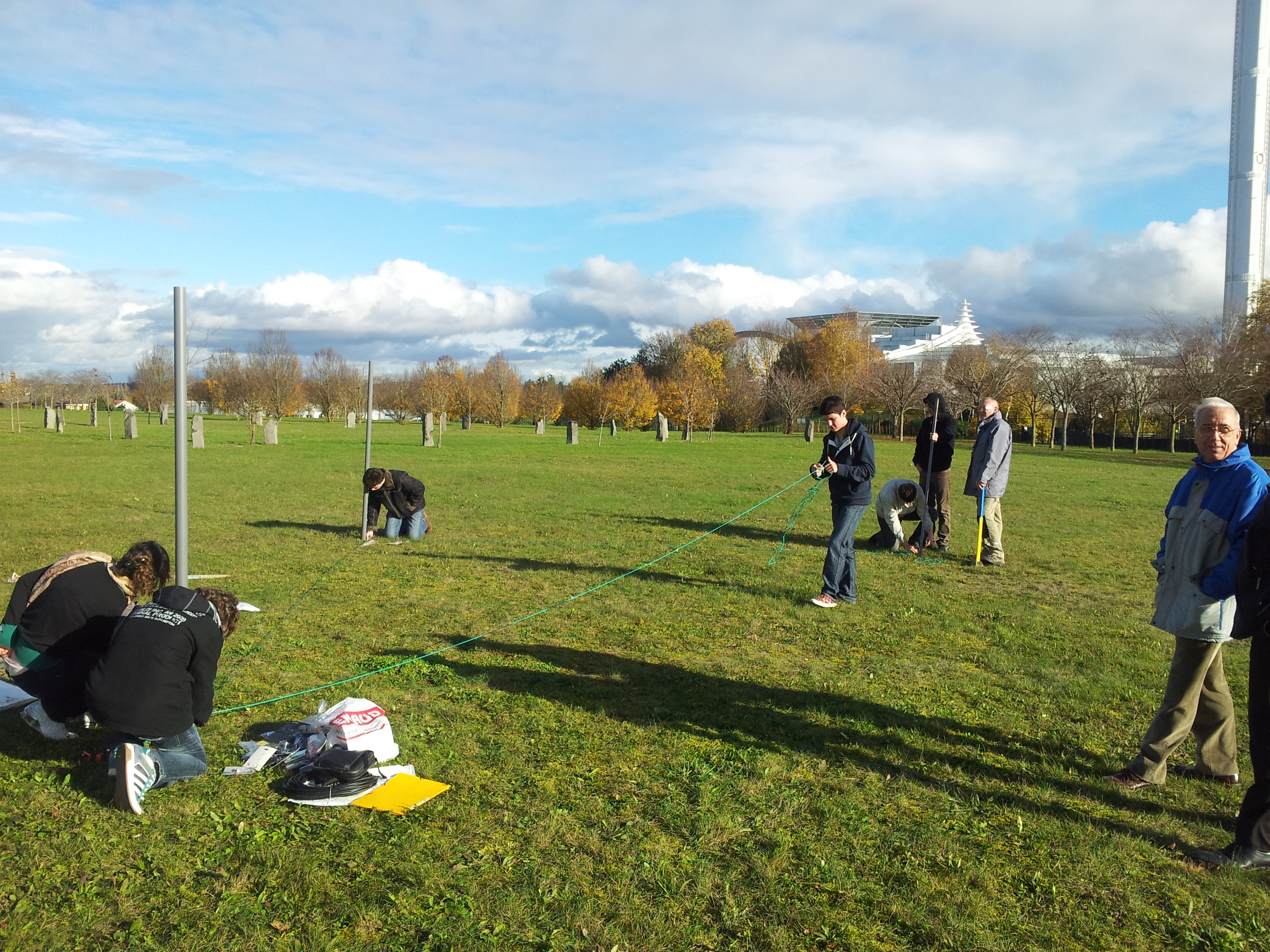
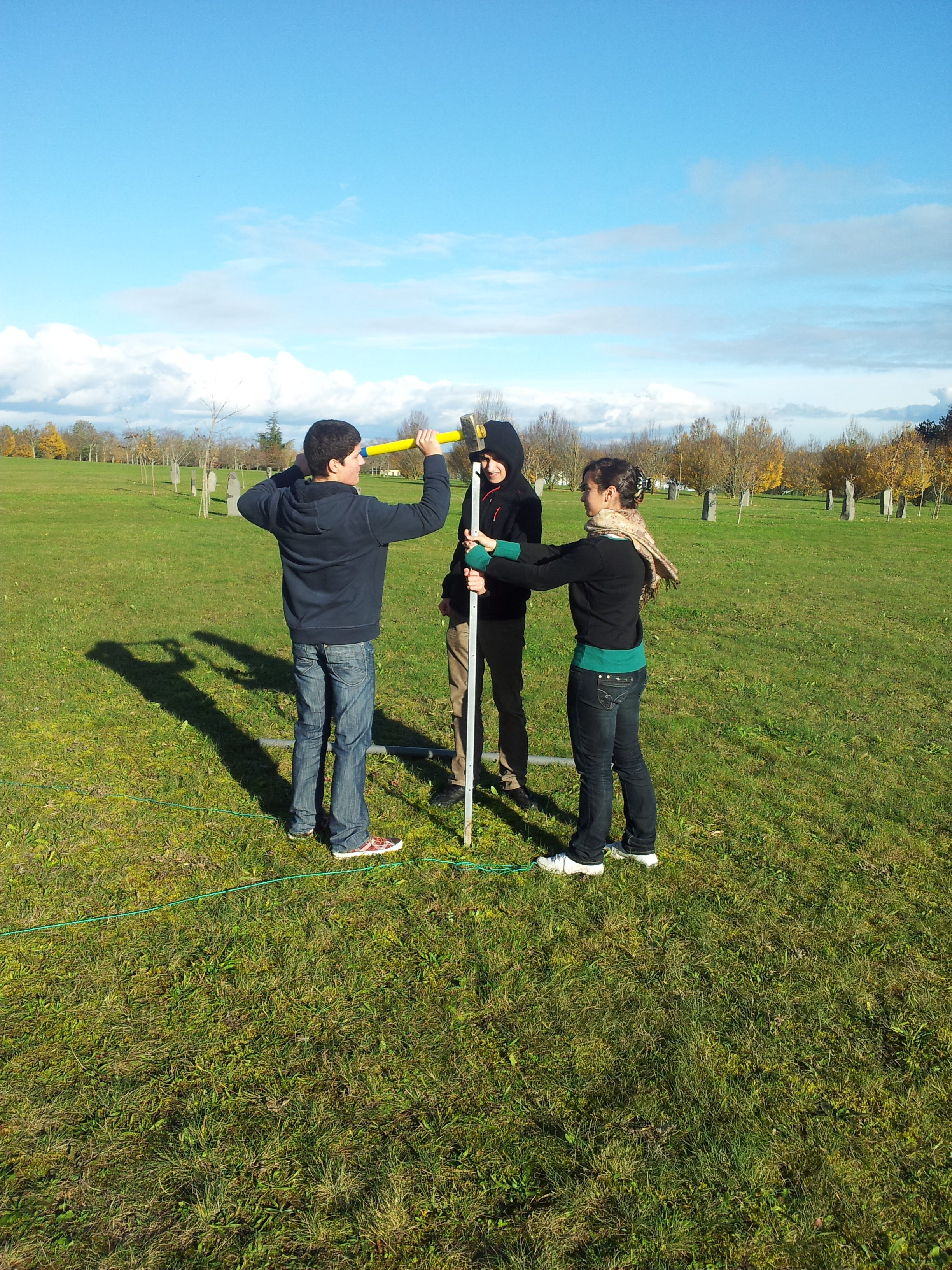
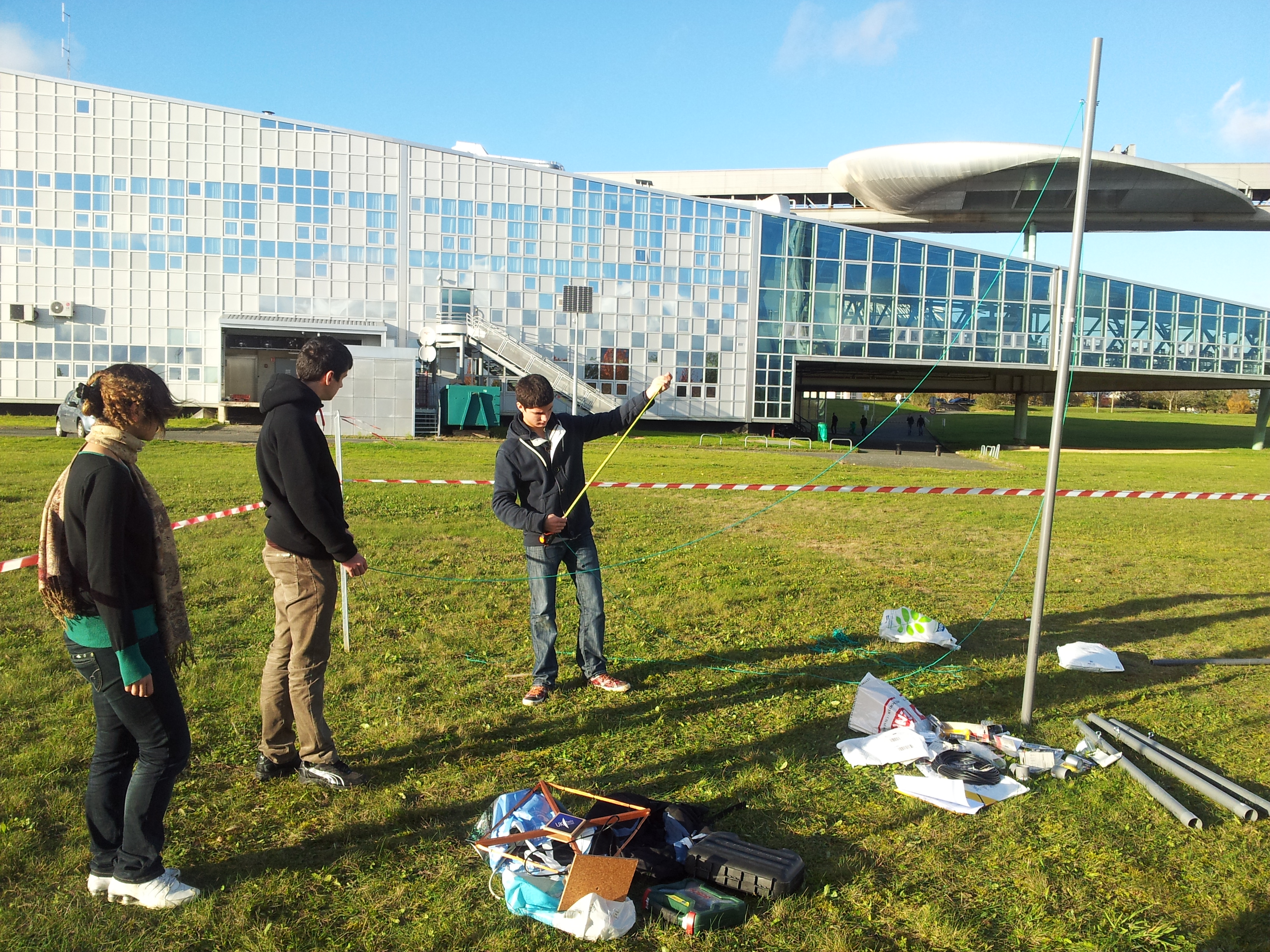
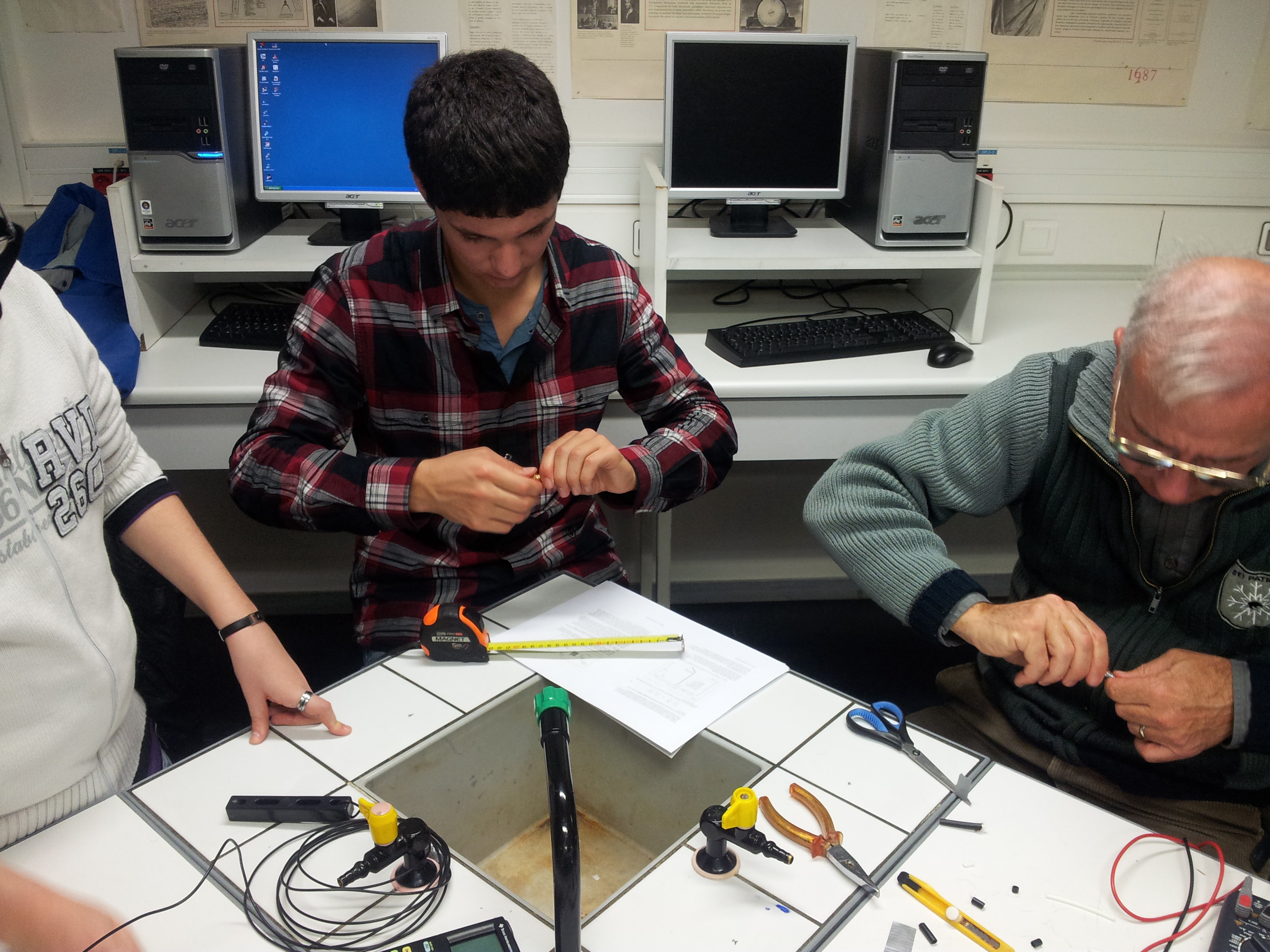
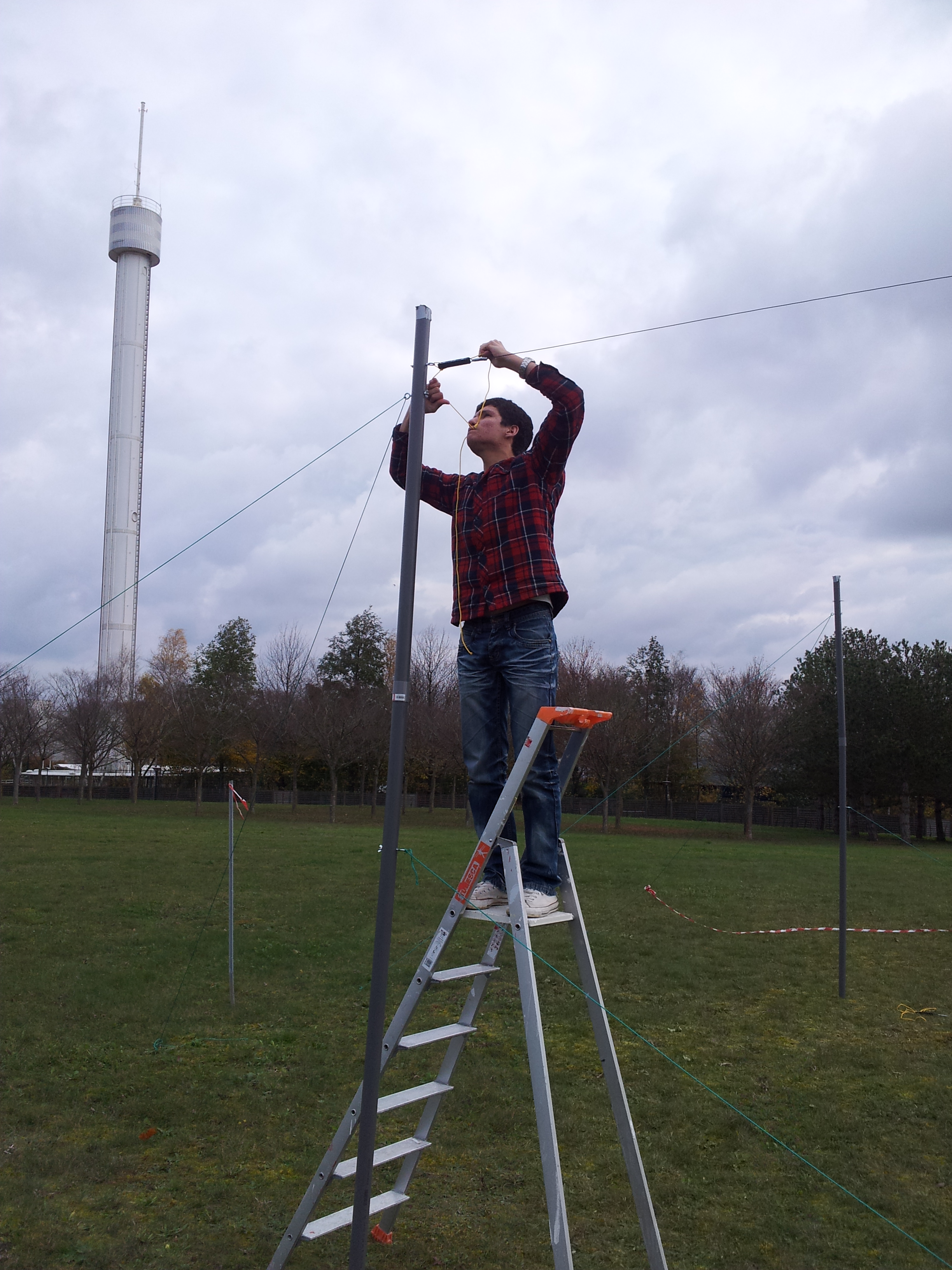
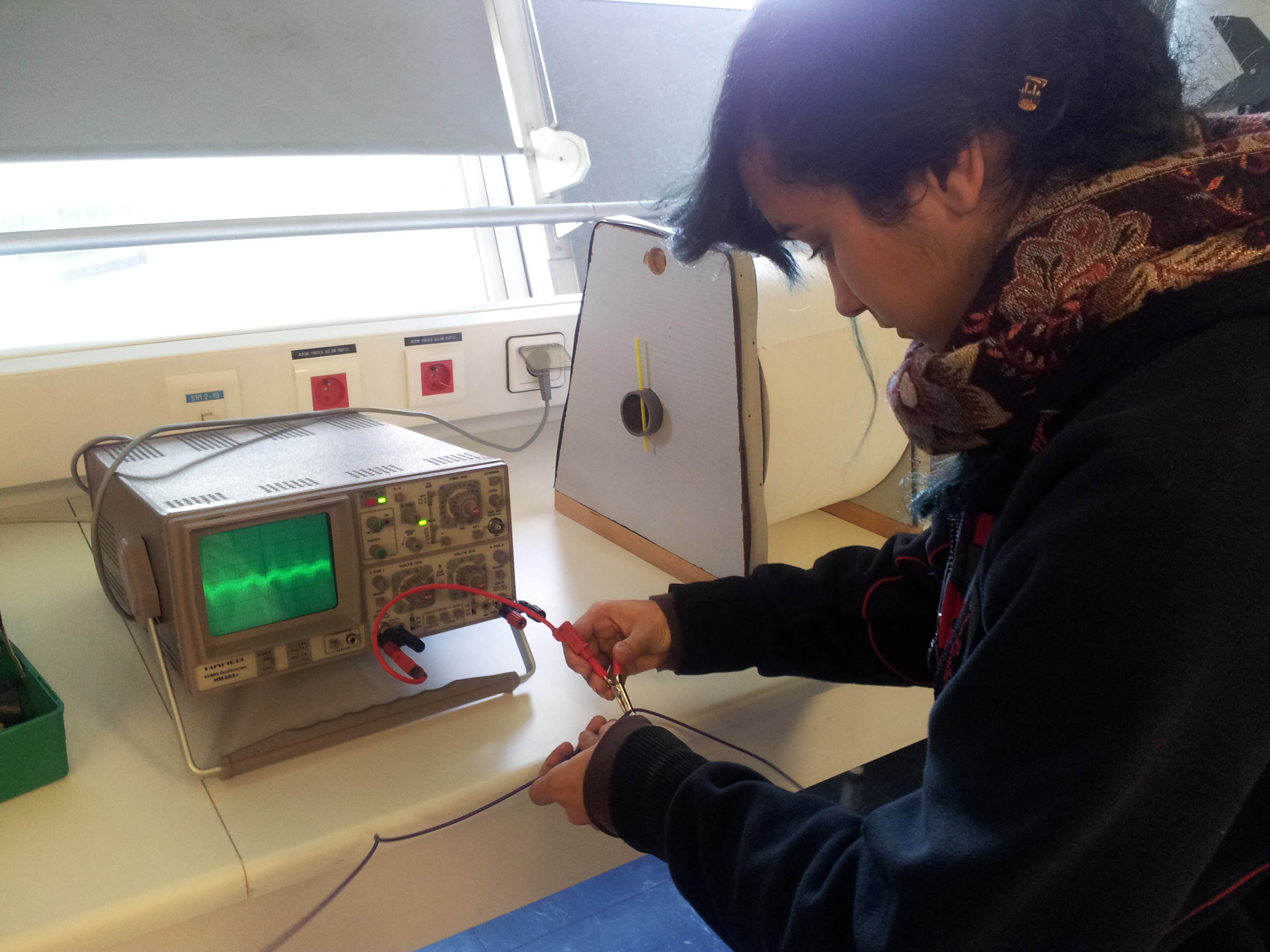
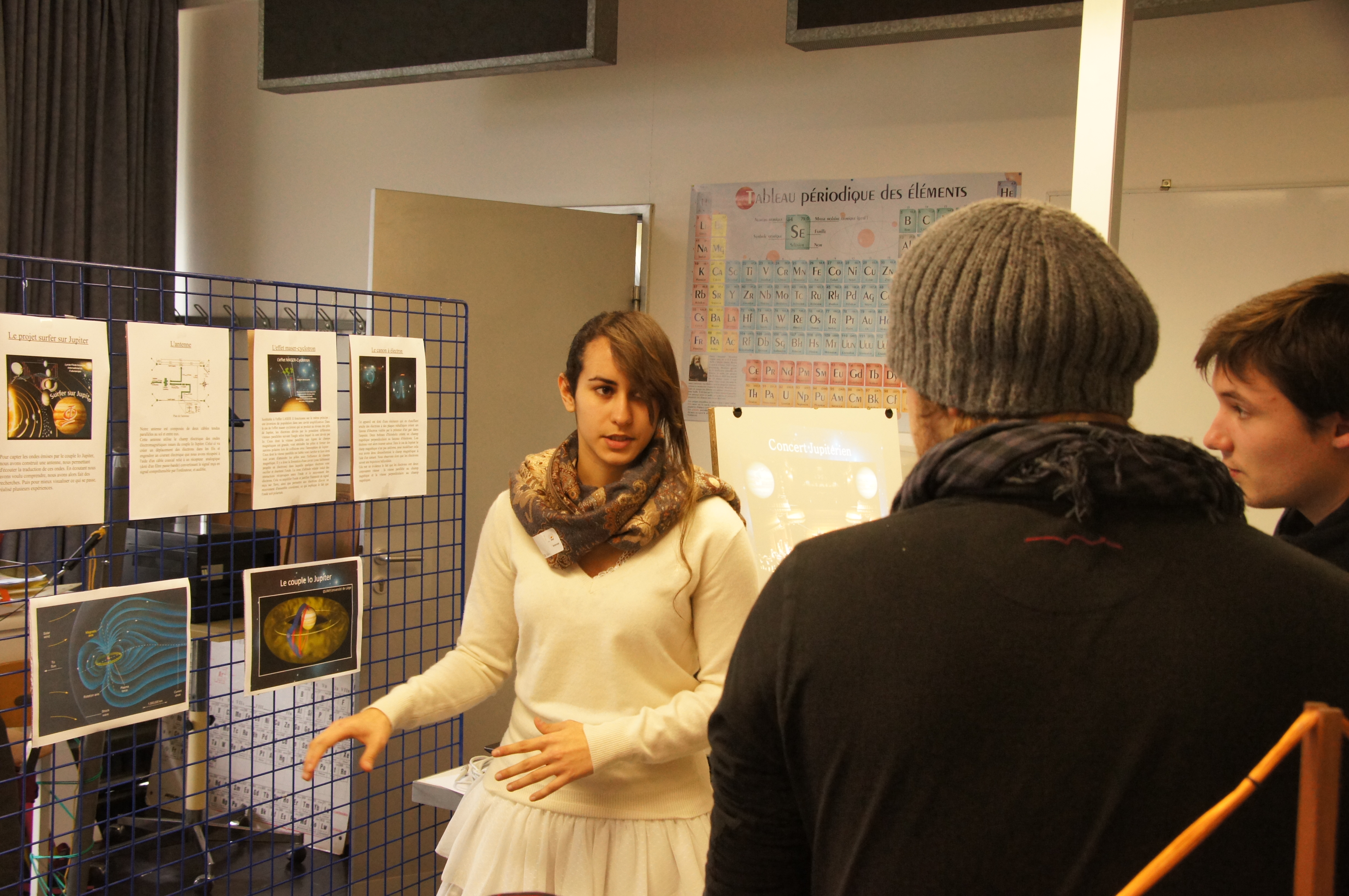
Jupiter compte de nombreux satellites parmi lesquels se trouve Io, réputé pour avoir les grands volcans connus du système solaire, sans doute issus de sa proximité avec Jupiter. Mais la proximité de Io avec Jupiter a une conséquence qui retentit jusque sur Terre. En effet, Jupiter est entouré d’un plasma qui tourne autour de Jupiter avec une certaine vitesse. Io gravite également autour de Jupiter, mais à une tout autre vitesse, beaucoup plus lente. Or sa trajectoire se trouve dans l’anneau de plasma qui entoure Jupiter. Tout se passe alors comme si les particules du plasma arrivaient à grande vitesse sur Io, étaient alors déviées de leurs trajectoires pour se diriger alors vers les pôles de Jupiter. C’est aux niveaux de ces pôles que les particules émettent alors des ondes électromagnétiques très intenses, à une fréquence très précise.
Nous avons voulu détecter ces ondes, en construisant une antenne adaptée à cette étude, dans le but de les analyser et de tenter de comprendre le processus à l’origine de l’émission de ces ondes.
Nous avons pu, au cours de notre projet que nous avons débuté il y a deux ans, faire évoluer notre dispositif, et avancer dans la compréhension du phénomène.
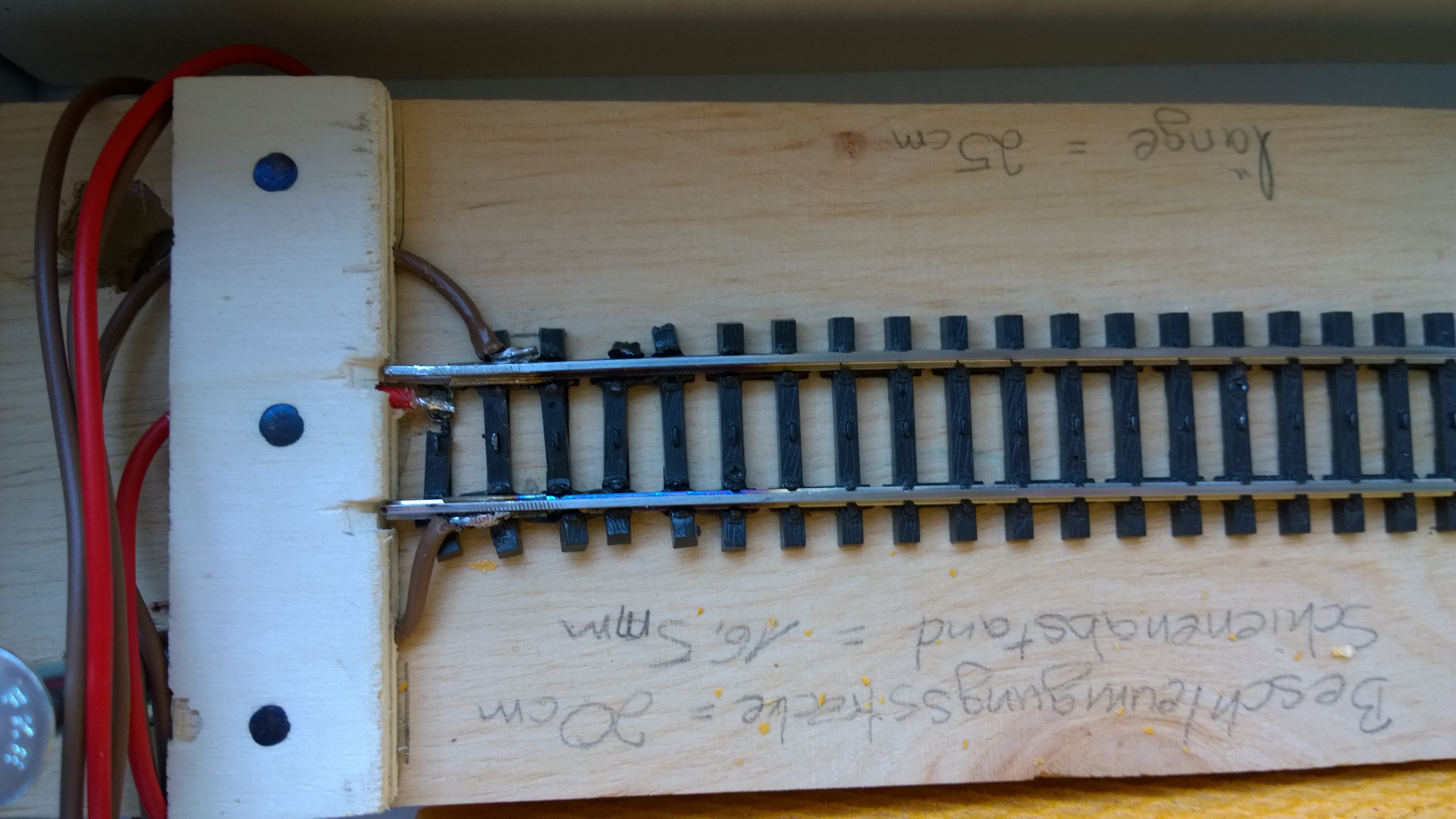
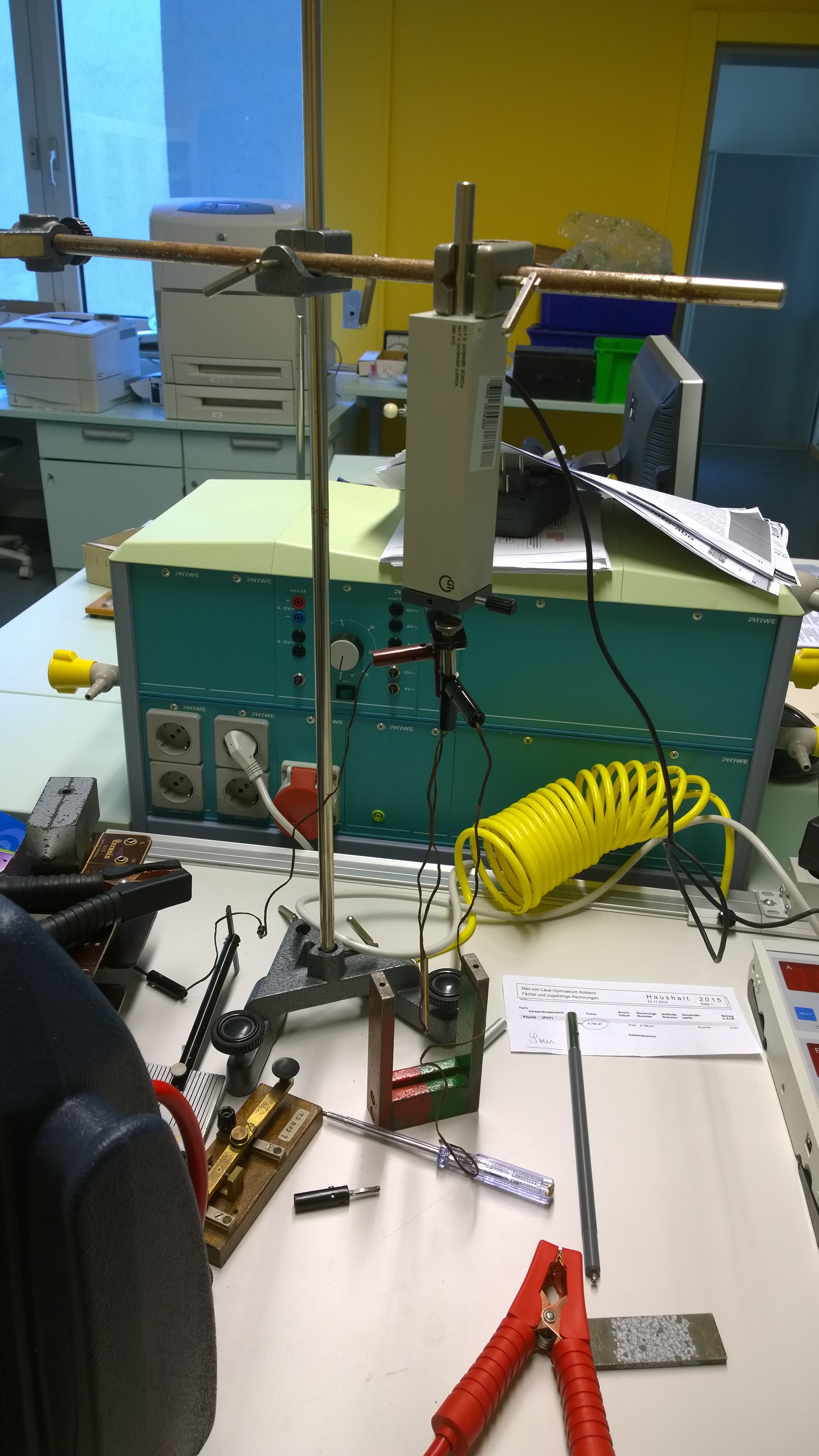
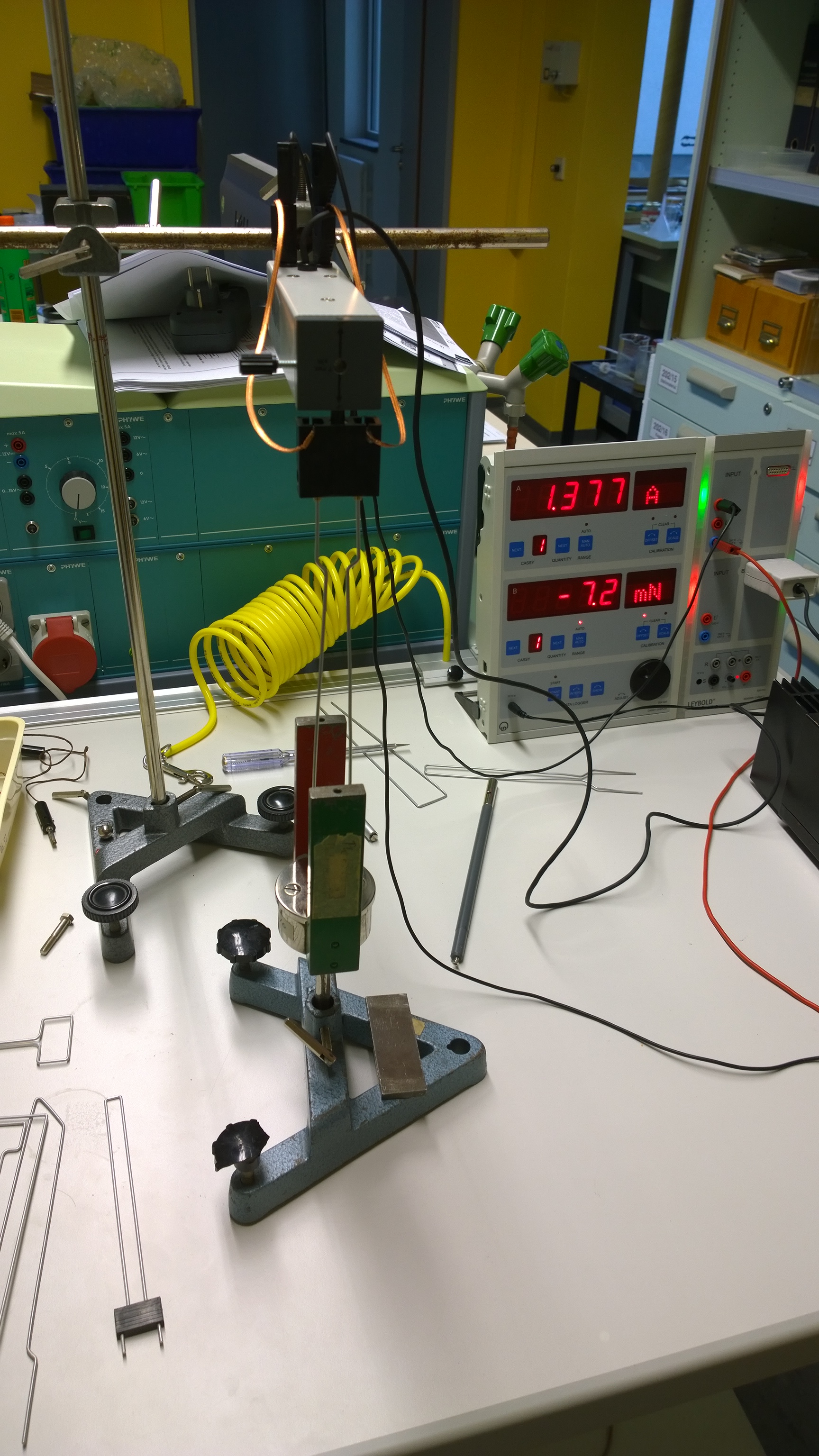
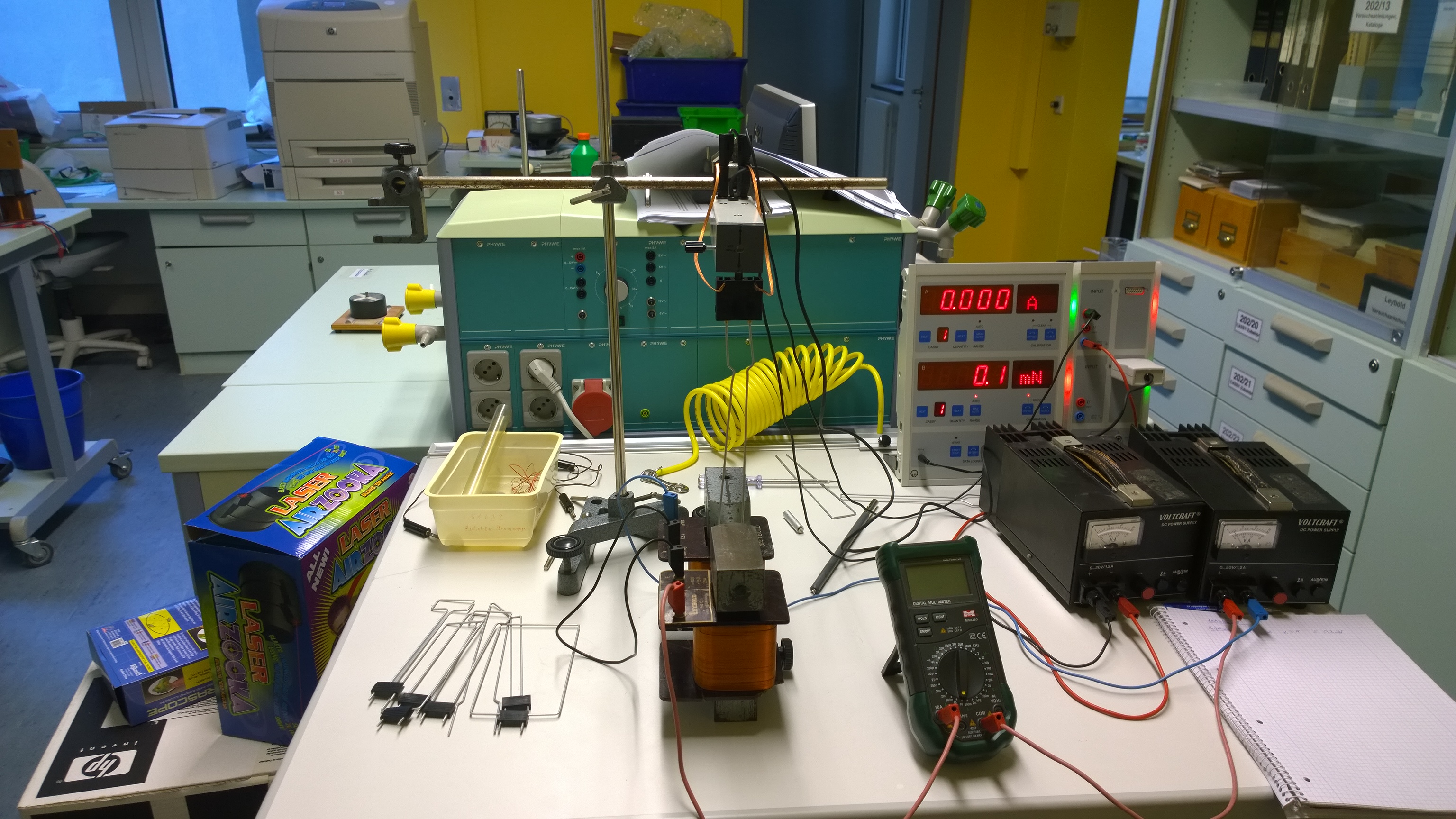
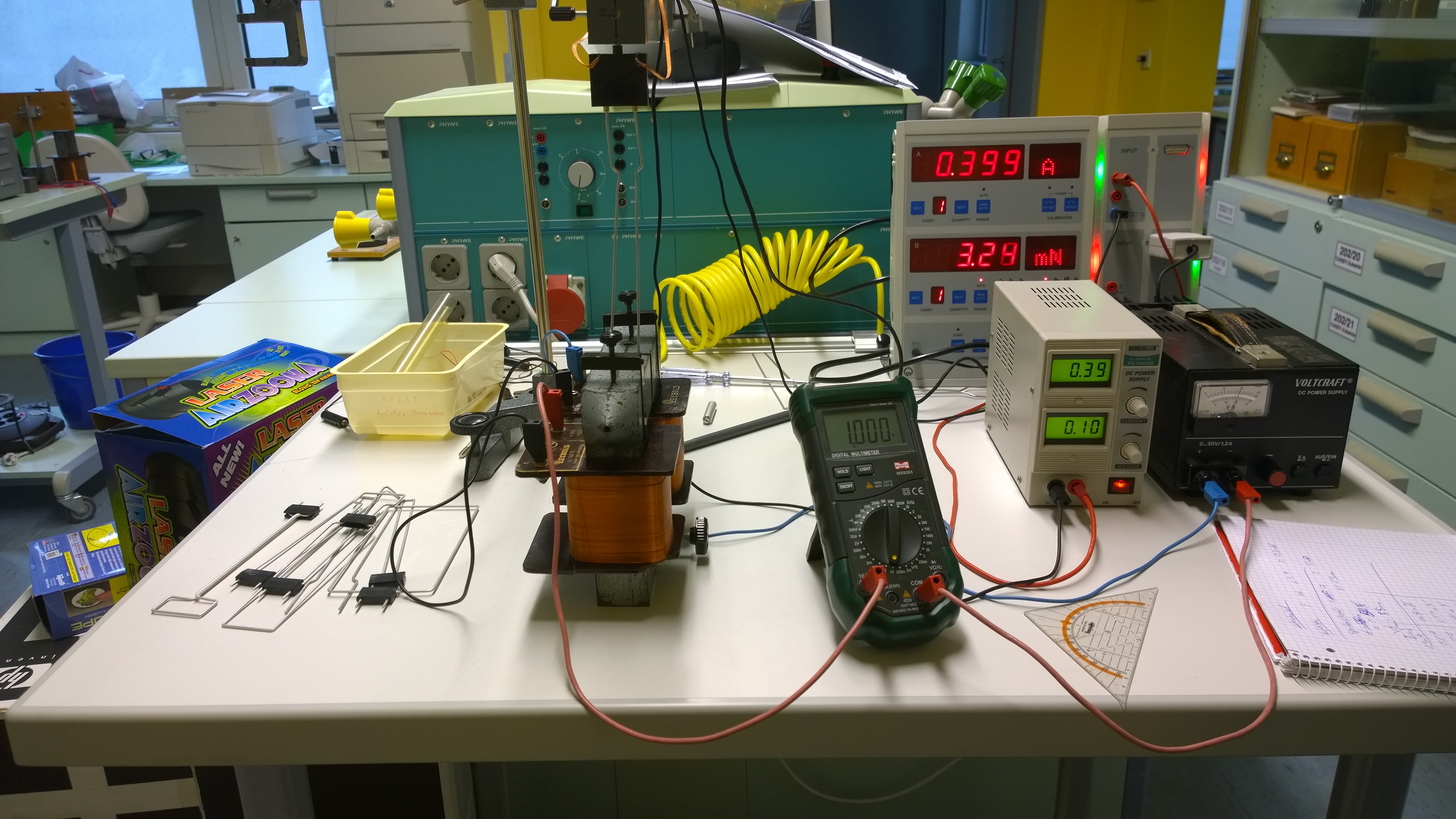
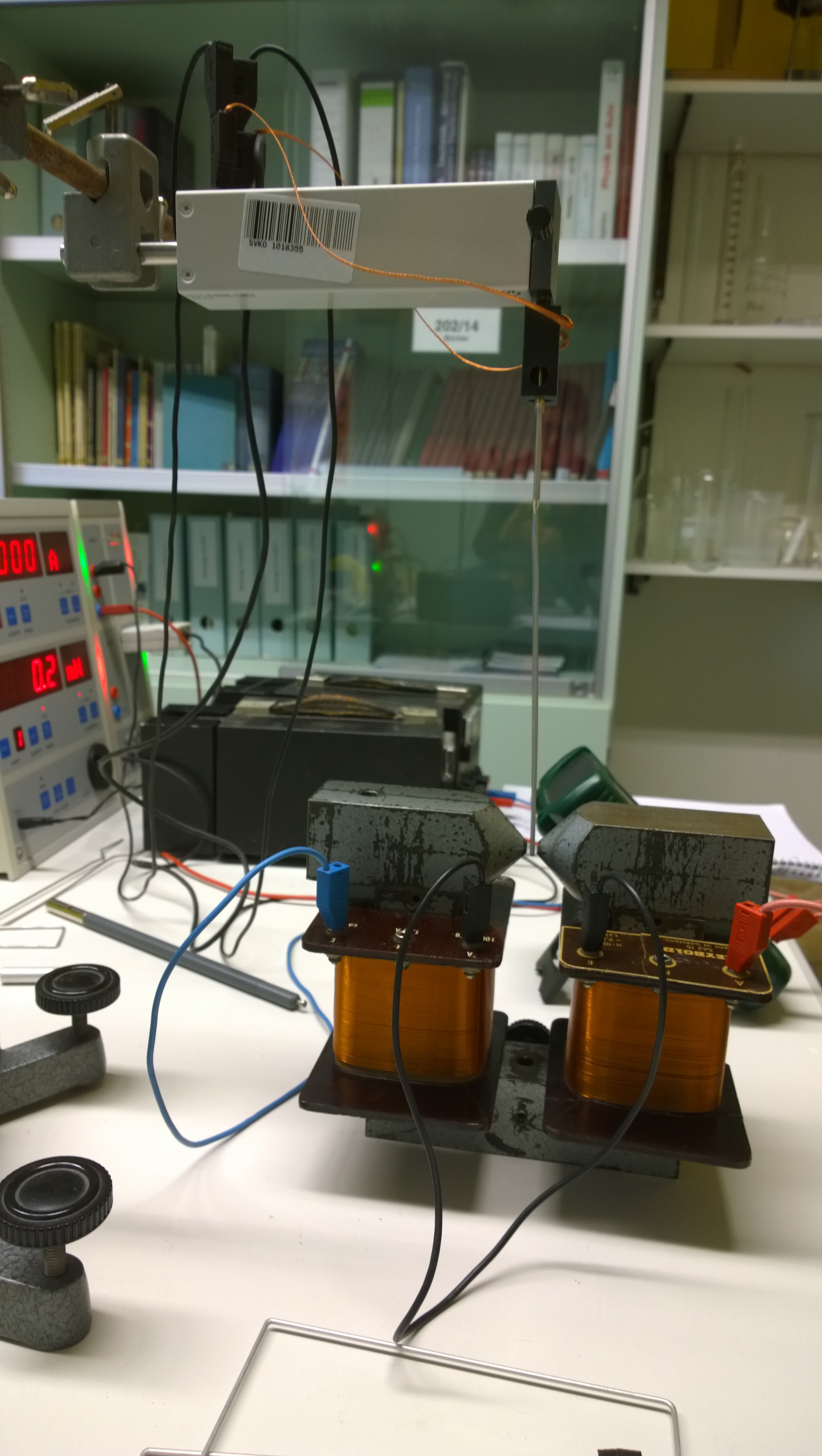
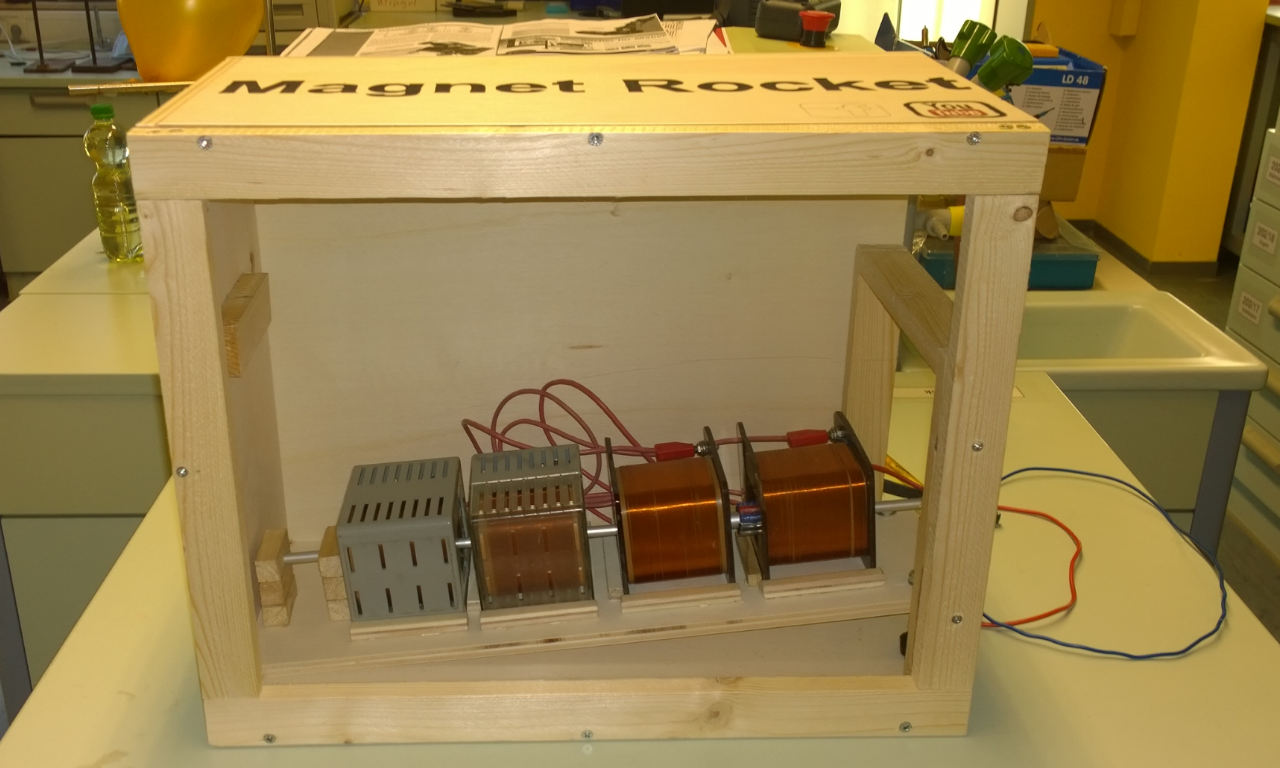
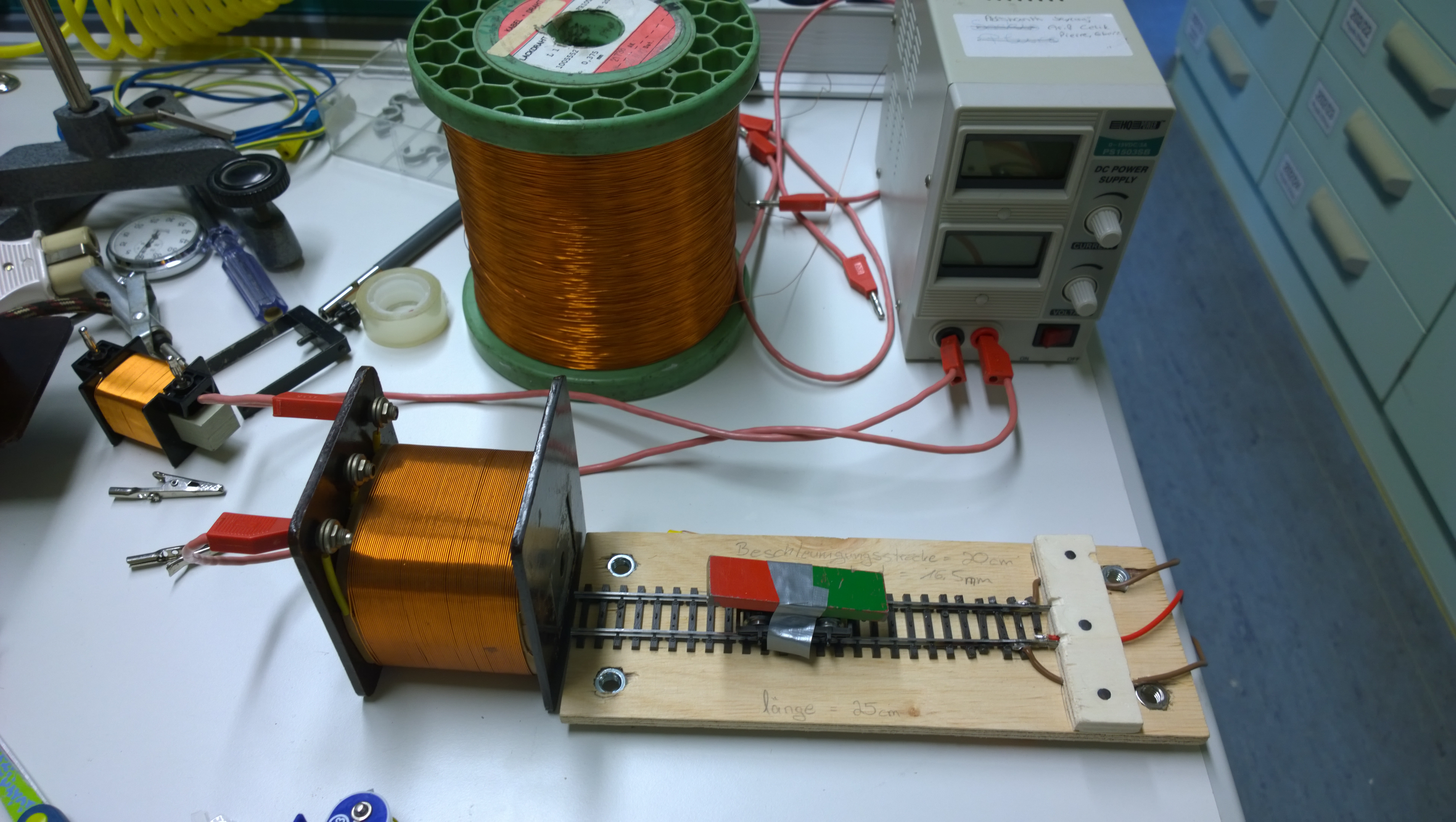
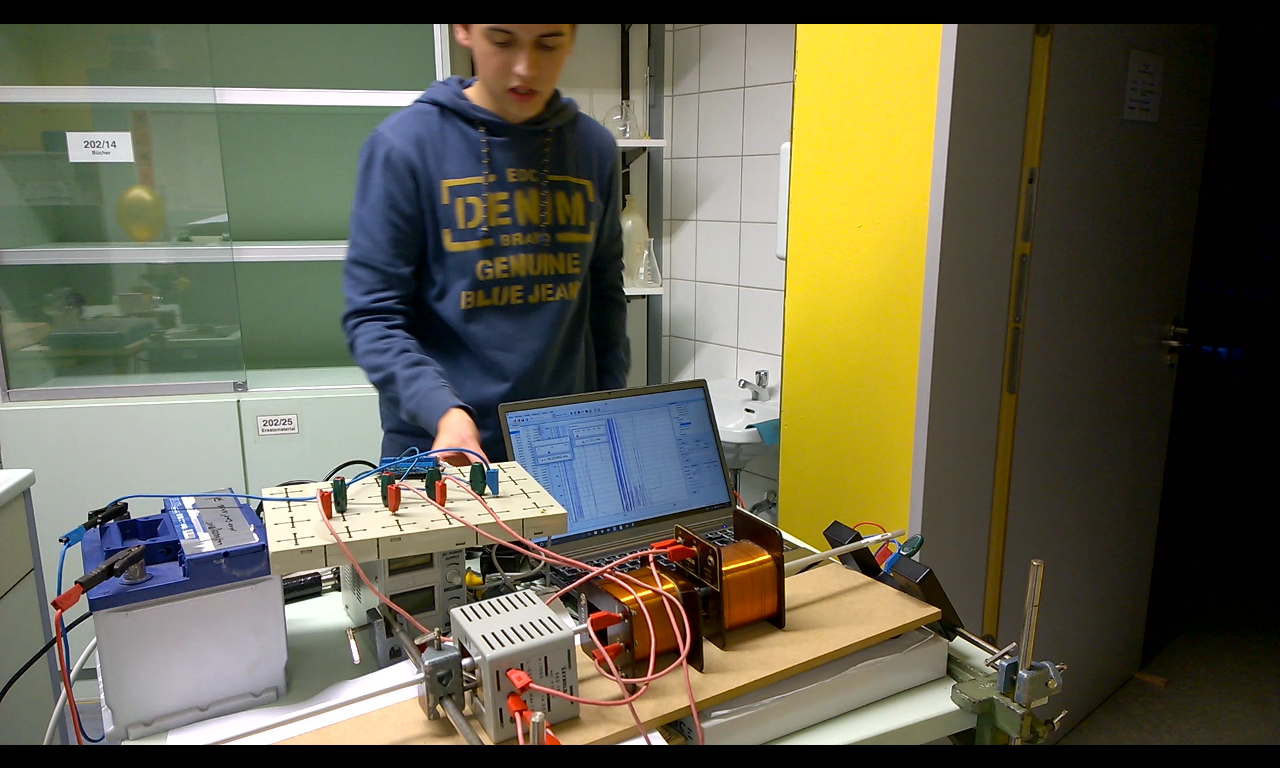
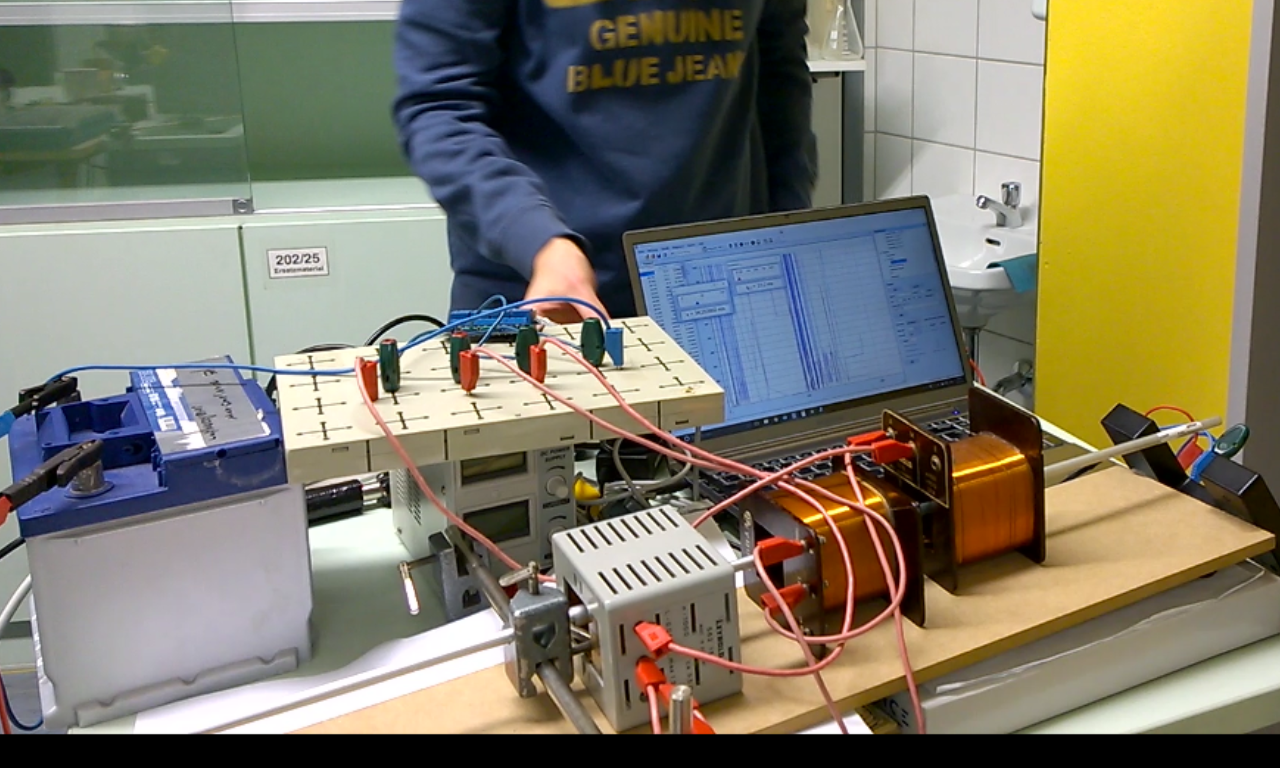
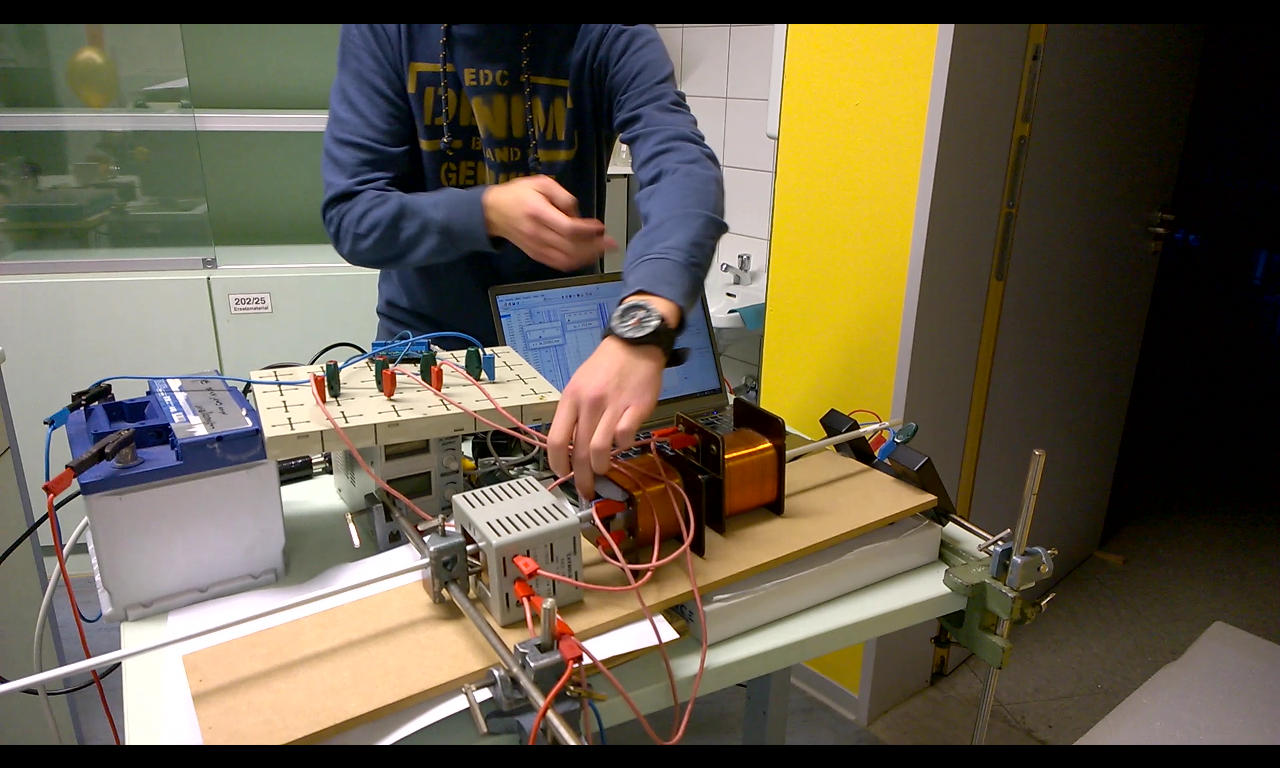
Unser Projekt kann durch die abstoßende Kraft gleichgerichteter Magnetfelder ein Objekt von Punkt A zu Punkt B transportieren. Dazu benötigt es lediglich elektrischen Strom. Das System kann im Universum so verwirklicht werden, das es mehrere Satelliten in einem gewissen Abstand gibt. Jeder Satellit beinhaltet ein paar elektromagnetische Spulen, wodurch sich unser Geschoss, an dem Permanentmagneten angebracht sind, beim Einschalten der Spulen vom Satelliten wegbewegt. Das Projekt ist modular erweiterbar, wodurch es möglich wird kleinere Gegenstände bis in die Weiten unseres Universums zu verschicken, da es von brennbarem Treibstoff unabhängig ist.
.png)
Nasz projekt dotyczy bardzo poważnego, ale bagatelizowanego przez opinię publiczną problemu śmieci kosmicznych. W wykonanej przez nas pracy zapoznajemy się z problematyką naszego tematu i opracowujemy sposób na usuwanie odpadków z orbity ziemskiej. Liczymy również, że nasz wysiłek, chociażby w bardzo niewielkim stopniu przyczyni się, do podjęcia poważnych prób całkowitego zażegnania tego zagrożenia.
Wildfires in northern Europe are increasing and the countries in these regions are beginning to respond to this threat created by a changing climate. During this project I researched how firefighting in northern Europe could be made safer and more efficient during wildfires using space-borne technologies. I performed a user-centred design where I interviewed people involved in wildfires to get a clear understanding about the current way of working. This resulted in the identification of two problems:
• Coordination
• Real-time information
Based on these problems a solution was then developed which consisted of two parts. Firstly, each firefighter should carry a Galileo GNSS tracker that would transmit their current location to a data fusion platform available to the commanders. This would enable the commanders to make good decisions based on the current situation. The design of the data fusion platform should be simple and easy to understand in order for the commanders to have time to use the available information.
In conclusion, with this system the governments in northern Europe could guarantee a good response to the increase of wildfires keeping their firefighters and population safe while also preventing unnecessary destruction by wildfires.


.png)


.jpg)


